Dog Dad SVG Cut File
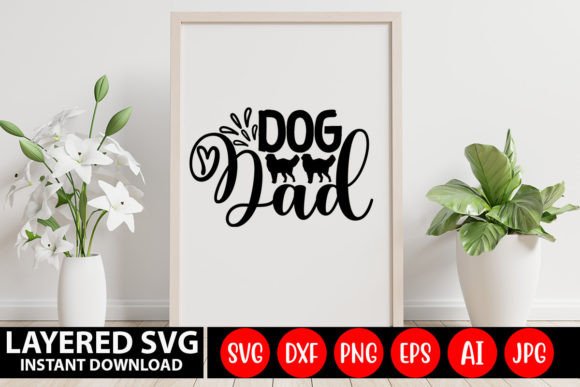
When I first opened the Dog Dad SVG Cut File, I was immediately struck by how directly it speaks to its audience. As someone who spends a fair amount of time both behind a digitizing screen and at an embroidery machine, I know that not every design that looks good on a monitor translates well into thread. This one, however, has a straightforward visual personality that feels both relatable and commercially viable. The phrase is clean, the lettering is bold without being clumsy, and the overall layout leaves room for a variety of project applications. It’s the kind of design that doesn’t try to be clever for its own sake—it just works. And for anyone running a craft business, an Etsy shop, or a small custom apparel line, that kind of reliability is worth paying attention to.
First Impressions and Visual Personality
The Dog Dad SVG Cut File carries a warm, slightly humorous tone that resonates with a specific but sizable customer base. The word “Dog Dad” is more than a label—it’s an identity. In my experience, designs that tap into that sense of pride and belonging tend to generate more engagement, whether they’re used on a sweatshirt embroidery or a tote bag design. The lettering feels sturdy and approachable, with a thickness that suggests it will hold up well in both satin stitch and fill stitch applications. The layout is balanced, and the visual weight is distributed in a way that makes it easy to pair with other elements if you want to customize further. As a graphic asset, it sits comfortably in the Crafts category, but its real strength is in how it translates to physical products. The SVG file is delivered word by layer, which gives you control over how each part of the text is handled during digitizing. That’s a practical advantage for anyone who wants to tweak thread colors or adjust stitch density for different fabric textures.
Real-Life Embroidery Application: A Custom Tote Bag
Let me walk you through a real project so you can see how this design performs under actual machine conditions. I recently prepared a custom embroidered tote bag for a client who wanted a gift for a new dog owner. The tote was a medium-weight cotton canvas in a natural cream color. I used the Dog Dad SVG Cut File as my primary design element, positioning it centrally about four inches from the top edge. The file itself is a vector graphic, so importing it into my embroidery software was straightforward. I converted it to a machine embroidery design with a combination of satin stitch for the main lettering and a subtle fill stitch for any solid areas. The first test stitch-out on scrap fabric confirmed that the design’s thickness was appropriate for the tote material. The letters stitched cleanly with no gaps, and the thread tension remained stable throughout. The client chose a dark navy thread for the text, which created excellent contrast against the cream canvas. The finished product looked polished and professional, and the recipient immediately recognized the sentiment. That kind of reaction is exactly what you want when you’re building a reputation for handmade products that feel personal and well-made.
Performance Across Different Product Types
One of the questions I always ask myself when reviewing a design is: how versatile is this across different product categories? The Dog Dad SVG Cut File performs well on a range of items, but it’s not a one-size-fits-all solution. Let me break it down based on the kinds of projects I’ve tested or seen others use it for.
- Custom apparel: On sweatshirts and t-shirts, the design holds its own. The bold lettering works well on both front and back placements. For a left chest embroidery on a polo or a center-back design on a hoodie, the proportions feel natural. I recommend using a medium-weight stabilizer to keep the fabric from puckering, especially on knit materials.
- Tote bags and aprons: These are where the design really shines. The sturdy fabric of canvas totes and apron fronts provides a stable surface for the stitch work. The design’s clean lines stand out without needing additional embellishment.
- Baby items and kids’ clothes: The sentiment is appropriate for baby outfits, but the size of the design matters. In a 4x4 hoop, the lettering might feel cramped. I’d suggest scaling it down carefully and testing the stitch density before committing to a onesie or baby bib.
- Embroidered patches: This design works well as a patch. The bold shapes make it easy to cut around, and the satin stitch edge finishes neatly. Patches are a popular item for Etsy sellers and craft fair vendors, and this design fits that niche nicely.
- Holiday gifts and personalized products: The Dog Dad SVG Cut File is a natural fit for Father’s Day, birthdays, and adoption anniversaries. It’s the kind of design that people search for when they want a gift that feels specific to the recipient’s identity.
- Small shop merchandise: If you’re selling finished products at a boutique or online, this design helps establish a consistent brand voice. It’s simple enough to be printed on a mockup or used in a digital product preview, but strong enough to stand alone on a finished item.
Where to Use This Design with Care
No design is perfect for every situation, and I’d be doing you a disservice if I didn’t point out where the Dog Dad SVG Cut File might need extra attention. The key is knowing your fabric and your hoop size before you commit to the final stitch-out.
- Small hoop sizes: If you’re working with a 4x4 hoop, you’ll need to scale the design down significantly. The risk is that the lettering becomes too dense, and the small curves lose their clarity. I recommend testing the design at 80% of the original size on a scrap piece of similar fabric to see how the details hold up.
- Textured fabrics: Fleece, terry cloth, and knits with a lot of texture can swallow the thread, making the letters look fuzzy. A heavier stabilizer and a slightly higher stitch density can help, but you’ll want to test first.
- Thin or stretchy fabric: On lightweight materials like jersey or thin cotton, the design can cause puckering if the stabilizer isn’t properly matched. A tear-away stabilizer might not be enough; consider a cut-away for better stability.
- Dark fabric: The design itself is word-based, so if you’re stitching on a dark background, make sure your thread color provides enough contrast. A light gray or white thread on a black sweatshirt can look sharp, but a dark blue on black will disappear.
- Curved surfaces like caps: The design’s straight layout means it will need to be adjusted for a curved surface. If you’re doing a cap embroidery, you’ll likely need to curve the lettering manually in your software. The SVG file’s layered structure makes that editing possible, but it’s not a drop-in solution.
- Products that need frequent washing: Kitchen towels, baby blankets, and aprons that see a lot of laundry will put the design to the test. A high stitch density can actually cause the thread to wear faster, so consider using a slightly looser density if the design will be washed often.
Visual Appeal, Product Value, and Customer Trust
When a customer buys a handmade product featuring a design like the Dog Dad SVG Cut File, they’re not just buying the item—they’re buying the feeling that someone took the time to make something specific to them. That emotional connection is what drives repeat business and positive reviews. In my experience, designs that are clean, readable, and tastefully executed tend to perform better in terms of customer satisfaction. The Dog Dad SVG Cut File delivers on that front. The stitching clarity is high when the design is properly digitized, and the finished product looks intentional rather than slapped together. That professionalism translates directly into product value. A well-stitched tote bag or sweatshirt can command a higher price, and customers are more likely to trust a seller who consistently produces clean embroidery. For small shop owners and Etsy sellers, that trust is a critical asset. The design also works well in printable mockups, which is a bonus for digital product sellers who need to show potential buyers what the finished item will look like. The black-and-white silhouette of the design is strong enough to read well in a preview, and the layered SVG format allows for easy color changes in your mockup software.
Practical Embroidery Designer Notes
Before you load this design into your machine and start stitching, there are a few steps I always recommend to my clients and fellow designers. These are the habits that separate a smooth project from a frustrating one.
- Test on scrap fabric first. I cannot emphasize this enough. Even if the design looks perfect on screen, the fabric and thread combination can change everything. Stitch it out on a piece of material that matches your final product as closely as possible.
- Check thread color contrast. Hold your thread spool against the fabric in natural light. If you have any doubt about the contrast, take a photo in black and white to see how the values separate. This is especially important for a word-based design where readability is everything.
- Review stitch density. Since the product description doesn’t specify exact stitch counts or density settings, you’ll need to adjust based on your fabric. For a dense satin stitch on a thick fabric, you might need to reduce the density to avoid thread breaks. For a fill stitch on a thin fabric, increase the density slightly to prevent gaps.
- Confirm hoop size. Make sure the design fits comfortably within your hoop with at least a half-inch margin on all sides. If the design is too close to the hoop edge, the fabric can shift and cause misalignment.
- Inspect small details. Zoom in on the vector file and look for any narrow gaps or sharp angles that might cause the thread to stack awkwardly. The Dog Dad SVG Cut File is generally clean, but it’s always worth checking.
- Check licensing for commercial use. The product is listed as a digital download with SVG and AI files. The description says “CUT F” which likely refers to cut file use. If you plan to sell finished products or use the design in commercial embroidery, confirm the license terms. Many such files allow commercial use, but you want to be certain before you build a product line around it.
- Use proper stabilizer. For most apparel and tote bag projects, a medium-weight cut-away stabilizer is a safe bet. For patches or items that need extra stiffness, consider a heavier stabilizer or a fusible backing.
Final Thoughts on the Dog Dad SVG Cut File
As a designer and reviewer, I look for files that save me time without sacrificing quality. The Dog Dad SVG Cut File does that. It’s a straightforward, well-structured graphic that translates easily into a machine embroidery design. The word-by-layer format gives you flexibility, and the clean layout means it works across a wide range of projects—from custom apparel to personalized gifts to small shop merchandise. It’s not a design that will blow your mind with complexity, but it’s one that you can rely on to produce a consistent, professional result. For anyone working in the Crafts space or selling digital design assets, this is a solid addition to your library. It’s the kind of file that earns its keep by being useful, not flashy. And in the world of commercial embroidery, that’s exactly what you want.