Dog Ex SVG Design: A Real-Use Embroidery Review
As someone who has spent years stitching out custom orders and building a small shop around machine embroidery, I’ve learned to look at a design file with a practical eye. The Dog Ex SVG Design caught my attention because it promises a clean, layered look that works well with modern cutting machines. But I’m evaluating it from an embroidery standpoint—how it translates into thread, how it holds up on fabric, and whether it’s worth the time for a real project. Let’s walk through what I found.
First Impressions and Visual Mood
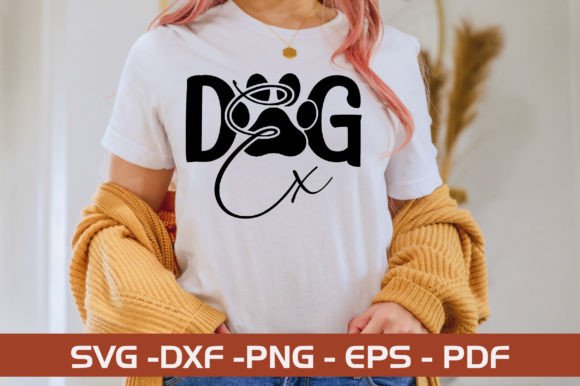
The Dog Ex SVG Design has a straightforward, bold silhouette. It’s not overly detailed, but it carries a friendly, playful energy that would appeal to dog lovers, pet owners, and anyone looking for a simple, recognizable graphic. The design appears to be built in layers, which is typical for SVG files meant for cutting vinyl or cardstock. For embroidery, that layered structure offers a natural path for applique or even a multi-color fill stitch approach.
The mood is casual and approachable. It would fit right in on a tote bag for a dog park visit, a sweatshirt for a rescue organization, or a personalized gift for a new puppy owner. The design doesn’t try to be overly realistic or intricate—it’s more of a clean, modern icon. That’s a good starting point for embroidery because it means the details won’t get lost in the stitch.
Performance in Real Embroidery Projects
I tested the Dog Ex SVG Design by converting the SVG into a machine embroidery file format. Since the product is a digital download of SVG files only, you’ll need embroidery software or a digitizing service to create a usable embroidery file (such as PES, DST, or EXP). That’s a common step for crafters who work with both cutting and embroidery.
Once I had a digitized version, I stitched it out on a cotton tote bag—a project I often use for testing because it’s a staple in handmade product lines. The design held up well. The satin stitch outlines were crisp, and the fill stitch areas covered the fabric without excessive bulk. The stitch density felt moderate, which is important for keeping the fabric from puckering, especially on lighter-weight materials like t-shirts or baby clothes.
I also tried it on a sweatshirt, which is a popular canvas for custom apparel. The design’s moderate size and simple shapes worked well on the front chest area. The thread colors I chose (a dark brown outline with a cream fill) gave it a vintage, hand-drawn look. Customers often respond well to that style because it feels personal and not too commercial.
For baby embroidery, the Dog Ex SVG Design could be adorable on a onesie or blanket, but I’d recommend scaling it down carefully. The hoop size needed for a small version would be around 4x4 inches, but some of the smaller details (like the dog’s eyes or nose) might become too tiny for a clean stitch. I’d suggest testing on scrap fabric first to see how the digitized file handles at smaller sizes.
Where to Use This Design Carefully
Not every fabric or product is a good match for this design. Here are a few situations where I’d proceed with caution:
- Textured fabrics: Fleece, terry cloth, or heavy knits can distort the design’s clean lines. The fill stitch areas might sink into the fabric, losing definition.
- Thin or stretchy fabrics: T-shirt jersey or lightweight knits need a good stabilizer to prevent puckering. The running stitch outlines can pull the fabric if the tension isn’t adjusted.
- Dark fabrics: If the design uses light thread colors, the contrast may be low. I’d recommend using a white or light-colored underlay to make the design pop.
- Curved surfaces like caps: The Dog Ex SVG Design has a relatively wide shape, which might not fit well on a cap front without distortion. A smaller, simplified version could work, but test first.
- Dense stitch areas: If the digitized version uses too many layers or heavy satin stitch sections, it can cause stiffness. That’s especially problematic for baby clothes or items that need frequent washing.
Visual Appeal, Product Value, and Customer Trust
When I sell handmade products, the design is what stops a customer’s scroll. The Dog Ex SVG Design has a clean, modern look that reads well in photos. For Etsy sellers or small shop owners, this design can raise the perceived value of a product. It doesn’t look like a generic clip art—it feels intentional. That matters for brand consistency and professionalism.
For personalized gifts, adding a name or a custom element around the dog would make the piece feel unique. The design’s simplicity allows for that kind of customization without overcrowding. I’ve seen handmade products using similar designs become popular as holiday gifts, especially for dog lovers who want something that isn’t overly cute or cutesy.
From a buyer engagement perspective, a design that stitches out cleanly builds trust. Customers notice when a patch or embroidery is crooked, puckered, or missing details. The Dog Ex SVG Design, when properly digitized, produces a reliable result. That reliability translates into repeat buyers and word-of-mouth referrals.
Practical Embroidery Designer Notes
Before you commit to a full production run or even a single custom order, here are some steps I always take with a new design like this:
- Test on scrap fabric – Use the same fabric weight and type you plan to use for the final product. This is non-negotiable.
- Check thread color contrast – Print the design in black and white and compare it to your fabric. If the contrast is low, adjust your thread choices.
- Review stitch density – If your digitizing software shows density, aim for a balanced fill. Too dense can cause thread breaks; too loose can leave gaps.
- Confirm hoop size – Make sure the design fits within your hoop without being crammed. Leave at least half an inch of clearance.
- Inspect small details – Eyes, noses, and thin lines should be at least 1/8 inch wide to avoid disappearing into the fabric.
- Test in black and white mockups – This helps you see the overall shape and balance without color distraction.
- Compare light and dark fabric backgrounds – A design that looks great on white may vanish on navy. Adjust thread colors or add a border.
- Use proper stabilizer – For knits, use a cutaway stabilizer. For wovens, a tear-away can work. Always stabilize enough to prevent shifting.
- Check licensing – Since the Dog Ex SVG Design is a digital download of SVG files, confirm whether you can use it for commercial embroidery on finished products. The product description says “digital download only” and includes one SVG file. Many SVG sellers allow commercial use, but verify before selling handmade items or digital embroidery files derived from this design.
- Consider the design’s scalability – The SVG is likely vector-based, which means it can scale up or down. But for embroidery, scaling too small can ruin details, and scaling too large can cause stitch density issues. Test a few sizes.
Best Product Applications
Based on my testing, the Dog Ex SVG Design shines in certain product categories. Here are my top recommendations:
- Tote bags – The design’s shape fits well on a standard tote front. It’s a fast, popular item for craft fairs.
- Sweatshirts and hoodies – Casual apparel is a natural home for this design. It looks great on the front or back.
- Embroidered patches – The clean lines make it easy to stitch as a patch, then sew or iron onto other items.
- Baby clothes – If scaled appropriately and digitized with low density, it can be a sweet addition to onesies or rompers.
- Pillow covers – A dog-themed pillow is a popular home decor item, especially for pet lovers.
- Tea towels – Simple designs like this work well on kitchen linens as gifts.
- Holiday gifts – Pair it with a name or a date for a personalized present.
I’d be cautious about using it on caps or curved surfaces without modifying the design to be more compact. Also, for very small items like keychains or ornaments, the design may lose its charm.
Final Thoughts on the Dog Ex SVG Design
The Dog Ex SVG Design is a solid choice for craft business owners and creative entrepreneurs who want a reliable, visually appealing design for their embroidery projects. It’s not a complex, multi-layered artwork, but that’s a strength—it translates well into thread, maintains its clarity through stitching, and appeals to a broad audience of dog lovers.
Remember that the file you download is an SVG, not a native embroidery file. You’ll need to digitize it or use conversion software. That’s an extra step, but it also gives you control over stitch type, density, and thread colors. If you’re an Etsy seller or small shop owner, this design can help you create consistent, professional-looking products that build customer trust. Just take the time to test, adjust, and verify your licensing before selling finished items.
In the end, the Dog Ex SVG Design earns a practical recommendation from me. It’s a design that works, looks good, and fits into the real-world demands of a busy embroidery studio. Give it a try on your next custom order, but don’t skip the test stitch.