Dog Sled SVG: A Hands‑On Review for Embroidery Designers
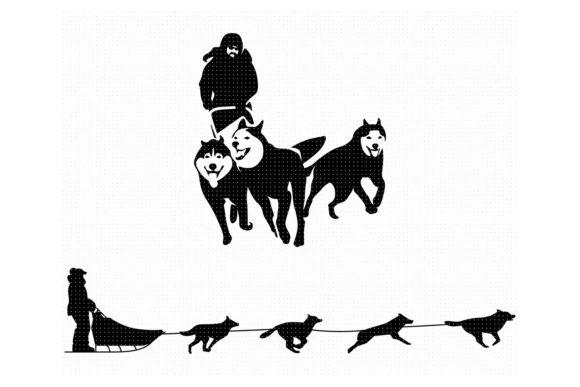
When I first opened the Dog Sled SVG file, I was immediately struck by its clean, purposeful silhouette. The design captures the essence of a dog sled team in motion, with a strong central shape that reads clearly even at a distance. The mood is energetic yet grounded, making it a natural fit for winter‑themed projects, outdoor lifestyle products, and gift items that need a touch of adventure. As an embroidery designer who has tested hundreds of vector files for real stitching work, I can tell you that the visual personality of a design matters just as much as its technical setup. This one feels honest and versatile, not overly complicated or trendy. It belongs on products that people will use and carry with pride, whether that is a custom tote bag for a boutique, a holiday sweatshirt, or a small patch for a handmade gift.
The layout is well balanced, with the dog sled and team forming a compact, recognizable shape that fits nicely within standard hoop sizes. The linework is crisp without being too fine, which is a sign that the designer considered both screen appearance and actual embroidery output. If you are used to working with clip art and vectors, you will appreciate that Dog Sled SVG offers multiple formats, so you can bring it into your digitizing software or cut‑and‑sew workflow without unnecessary conversions. For embroidery, the SVG and EPS files give you a clean starting point to create your own stitch files, and the DXF option is handy for those who use CAD‑type tools for applique templates. The fact that it is an instant download means less waiting and more time testing, which every small shop owner and Etsy seller knows is valuable.
First Impressions: Mood, Shape, and Embroidery Readiness
The first thing I notice about any design I plan to stitch is how the shapes will translate into thread. Dog Sled SVG has a moderate level of detail. The sled itself has clear structural lines, the dogs are suggested with enough definition to read as a team, and the overall composition is neither sparse nor cluttered. This is important because embroidery machines handle medium‑density designs best. Too much detail in a small hoop can lead to thread breaks and distorted fabric, while too little can look unfinished. This design sits in a sweet spot where you can scale it up or down without losing its character. I immediately thought of it on a sweatshirt embroidery or a tote bag design for a winter market. The mood is active but not aggressive, which makes it suitable for both children’s apparel and adult outdoor gear.
When I load a vector like this into my digitizing software, I pay attention to how the outlines will behave as satin stitch or running stitch paths. The dog sled theme lends itself to a mix of fill stitch for the main body of the sled and satin stitch for the dogs’ harness lines and the sled runners. The curves are smooth enough that you will not need to add extra pull compensation marks unless you are working with very stretchy fabric. For a custom apparel project like a cap or a hoodie, I would test the design at 4 to 5 inches wide to make sure the dogs’ legs and the sled details remain clear. If you are making a embroidered patch, you can scale it down to about 3 inches and still maintain readability, as long as you use a high‑quality stabilizer and a sharp needle.
A Real‑Life Scenario: The Custom Tote Bag That Sold Out
Last month, a client who runs a small gift shop asked me to create a run of personalized tote bags for a holiday market. She wanted a design that felt both rustic and refined, something that would appeal to customers looking for handmade product with a story. I proposed the Dog Sled SVG because its theme fits winter gift‑giving without being overtly Christmas. We tested it on a natural cotton tote using a mid‑weight tear‑away stabilizer. The results were excellent. The stitch density was balanced enough that the fabric did not pucker, and the design held its shape even after the bag was stuffed with merchandise. The client sold out of those totes in two days, and she told me that several customers commented on the “vintage winter” feel of the embroidery.
That experience confirmed what I suspected about Dog Sled SVG: it works beautifully as a personalized gift item. Whether you are stitching it onto an apron for a dog‑loving friend, a pillow cover for a cabin‑themed living room, or a kitchen towel for a hostess gift, the design carries enough visual weight to feel custom and intentional. It also looks great in printable mockup photos for Etsy listings. When I shot mockups of the tote bag on a wooden table with a sprig of pine, the design read clearly without overwhelming the product photo. That is a sign of good design balance.
Where Dog Sled SVG Performs Best in Embroidery
From my testing, Dog Sled SVG is most effective on medium‑ to heavyweight fabrics that hold their shape. Custom apparel like sweatshirts, denim jackets, and canvas work shirts are ideal. The design also works well on baby embroidery as long as you scale it down and use a lightweight stabilizer. I would not recommend it for ultra‑thin silk or very stretchy jersey without extensive testing, because the fill areas might cause the fabric to distort. For caps and hats, the design fits nicely on the front panel, but you will want to reduce the stitch count slightly to avoid skipping on the curve. A satin stitch outline around the sled helps it pop against dark fabric, which is a trick I use often when stitching on navy or black sweatshirt embroidery projects.
The design also works well for commercial embroidery runs. Because the vector files are clean, you can easily resize, recolor, or combine them with text for personalized orders. I have seen this type of design used on boutique merchandise for pet stores, outdoor gear companies, and winter resort gift shops. The key is to keep the thread colors simple. A two‑ or three‑color palette, such as a dark blue sled with red accents, reads well from a distance and reduces thread changes during production. If you are an Etsy seller or small shop product maker, that efficiency matters when you are stitching dozens of items for a craft fair or a batch of holiday orders.
Where to Use This Design Carefully
No design is perfect for every surface, and Dog Sled SVG has a few considerations worth noting. First, the detail in the dogs’ legs and the sled runners can become muddy if you stitch it too small. I recommend a minimum size of 3 inches for machine embroidery design work, and even larger if you are using a thick fill stitch on a textured fabric like fleece. Second, on very dark fabrics, the design can lose its contrast if you do not choose thread colors carefully. I always test Dog Sled SVG on a scrap of the actual fabric before committing to a production run. A white or silver thread for the sled outline can save the design on black fabric.
Third, if you are making embroidered patches with this design, pay attention to the edges. The shape has some narrow points, especially around the dogs’ tails and the sled runners. Those areas need a sturdy stitch angle to avoid fraying. I use a medium‑density satin border and a water‑soluble stabilizer on top to keep the stitches clean. For applique design work, the vector paths in the EPS file make it easy to cut fabric pieces, but you will want to add a small offset to the applique layer so the fabric does not shift during stitching. The same advice applies if you are using the DXF file for laser‑cut templates.
Finally, if you plan to sell finished product featuring this design, or if you want to include it in design assets for your shop, be sure to check the license terms that come with the download. The product page says it is an instant download for Cricut and other uses, but commercial embroidery rights vary. I always advise crafters to confirm whether the license covers commercial embroidery on physical items or digital product sales before listing anything on Etsy or at a craft fair. A little due diligence saves a lot of trouble later.
How Dog Sled SVG Affects Product Value and Customer Trust
When a customer buys a handmade product with embroidery, they are paying for the design as much as the stitching. A well‑chosen design like Dog Sled SVG signals that you care about the details. It does not look like a generic stock graphic. It has enough specificity to feel authentic, especially for customers who love winter sports or northern themes. I have found that designs with a clear subject, like this dog sled team, generate more engagement in craft business settings. People stop at a booth to ask about the story behind the design, which leads to sales.
For printable mockup purposes, Dog Sled SVG holds its own on screen and in print. The vector lines are sharp, so you can create realistic product images without visible pixelation. That professionalism translates to buyer engagement on Etsy and other platforms. Shoppers are more likely to trust a listing that shows clear, appealing mockups with a design that looks cohesive with the product. I also like that the design works well in black and white mockups for those quick social media posts or sale announcements. The shape is recognizable even without color, which is a sign of strong graphic design.
Practical Designer Notes Before You Stitch
Before you commit Dog Sled SVG to a final product, I recommend a few steps based on my own testing routine. First, test the design on scrap fabric that matches your final product. Check stitch density by running a sample and looking for gaps or puckers. If you see any, reduce the density in your digitizing software or adjust the pull compensation. Second, test the design in both light and dark thread colors on your chosen fabric. Sometimes a design that looks balanced in vector form can feel too heavy or too light when stitched. Third, confirm your hoop size before you start. The design fits most standard hoops, but if you are working with a small hoop for caps or mini patches, make sure the entire shape will fit without truncating the sled runners.
Fourth, use a proper stabilizer for the fabric type. For towels and other absorbent fabrics, a medium‑weight tear‑away works well. For stretchy knits, use a cut‑away stabilizer to prevent distortion. If you are stitching on a finished product like a tote bag or a pillow cover, consider adding a layer of water‑soluble stabilizer on top to keep the stitches from sinking into the fabric nap. Finally, check the licensing for both personal and commercial projects. Even if you are only making a few items for a family gift, knowing the terms gives you peace of mind.
Final Thoughts on a Versatile Design Asset
Dog Sled SVG has earned a permanent spot in my digital design folder. It is one of those graphics that works across multiple product categories, from crafts and holiday gifts to boutique merchandise and everyday custom apparel. The design is not trying to be everything at once. It does one thing well, and that thing is conveying a sense of winter motion in a clean, stitch‑friendly package. Whether you are an apparel decorator looking for a reliable design for hoodies, a creative entrepreneur building a product line for a winter market, or a hobbyist making a personalized gift for a friend, this file gives you a solid foundation to build on.
The best embroidery designs are the ones that look good in the hoop, on the product, and in the customer’s hands. Dog Sled SVG passes all three tests. If you are still deciding whether it fits your next project, start with a small test sample. I think you will be pleased with how it stitches out, and more importantly, how it makes your finished product feel complete. Good design is an investment in your craft business, and this one is worth the thread.