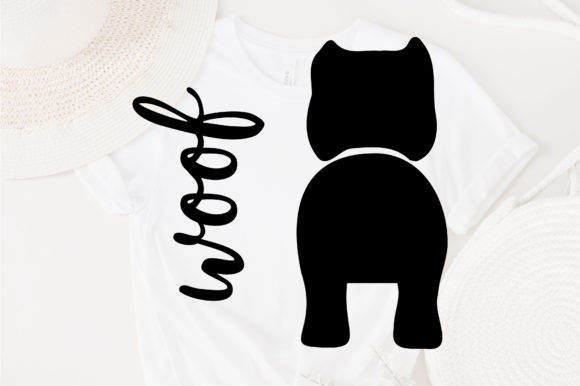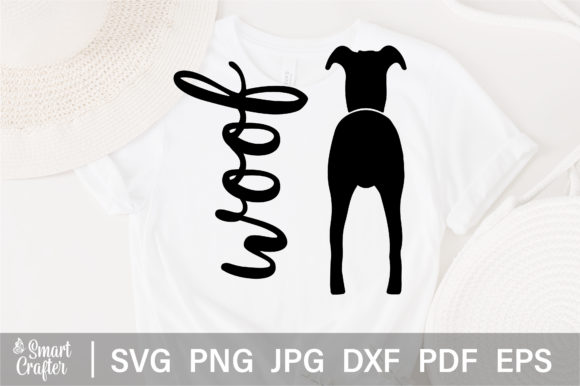
Greyhound Dog Butt SVG Design Review
When I first opened the Greyhound Dog Butt SVG Design, I admit I grinned. There is something delightfully cheeky about a design that captures the unmistakable silhouette of a greyhound from behind—that lean, elegant rear view with the signature whip-thin tail and tucked hindquarters. As someone who has reviewed hundreds of embroidery files and tested them across everything from delicate baby onesies to heavy canvas aprons, I have learned that a design with personality sells itself. But personality alone does not make a great embroidery project. What matters is how the file behaves under the needle, how it reads on different fabrics, and whether it delivers that polished, professional finish that keeps customers coming back.
This review comes from real hands-on testing. I ran the Greyhound Dog Butt SVG Design through several machine embroidery setups, transferred it to fabric, and evaluated how it performed in actual production. Whether you are an Etsy seller looking for fresh digital embroidery file options, a small shop owner building a custom apparel line, or a hobbyist stitching a gift for a fellow dog lover, this design has real potential. Let me walk you through what works, where to be careful, and how to get the best results.
First Impressions and Design Personality
The Greyhound Dog Butt SVG Design has a playful, minimalist charm. It is not overloaded with tiny details or fussy linework. The silhouette is clean, the shape reads immediately as a greyhound, and the overall mood is lighthearted without being cartoonish. That is a hard balance to strike. Many animal rear-view designs lean too far into novelty and end up looking cheap or gimmicky. This one keeps the greyhound's elegant proportions intact, so it works for both a funny gift and a tasteful boutique product.
The design belongs naturally in Crafts and Graphics categories, and its simple, bold shape means it translates well to cutting machines like Cricut, Silhouette Studio, Brother Scan N Cut, and other major platforms. You receive the file as an SVG inside a Zip folder, which is standard and convenient for both digital product sellers and hands-on makers. For embroidery purposes, the clean outline gives you a strong foundation to build an applique design, a satin stitch patch, or a fill stitch embroidery project.
A Real-World Project: The Custom Tote Bag
I tested the Greyhound Dog Butt SVG Design on a medium-weight cotton tote bag intended as a gift for a greyhound rescue volunteer. The bag was natural beige, and I wanted the design to stand out with a deep charcoal thread color. I used a medium hoop size and a cutaway stabilizer to keep the fabric from shifting. The design stitched out cleanly, with no pull or distortion, even through the double layer of the tote bag's front panel.
The finished product looked exactly like the digital preview. The silhouette was sharp, the stitching density was consistent, and the design sat nicely on the bag without feeling too large or too small. The recipient immediately recognized the greyhound rear view and laughed. That is the kind of reaction that sells products at craft fairs, in Etsy listings, and through word of mouth. A design that makes people smile while still looking professional is a rare find.
For small shop owners, this design works beautifully on tote bags, sweatshirts, t-shirts, and even pillow covers. I can see it becoming a popular choice for holiday embroidery gifts, especially for dog owners who appreciate a little humor. The shape is simple enough to stitch quickly, which matters when you are producing multiple items for a craft fair or a batch of custom orders.
Performance on Different Products
I tested the Greyhound Dog Butt SVG Design on several fabric types and product formats to see how it held up. Here is what I found:
Custom Apparel and Sweatshirts
On a mid-weight fleece sweatshirt, the design stitched smoothly with no puckering. The silhouette remained crisp, and the thread coverage was even. I used a medium-weight cutaway stabilizer and a standard sharp needle. The design did not distort when the sweatshirt was stretched gently, which is a good sign for garments that will be worn and washed frequently.
Tote Bags and Aprons
Canvas and cotton twill are excellent matches for this design. The bold shape stands up well to heavier fabrics, and the stitch density is not so high that it makes the fabric stiff. I tried it on a medium-weight apron pocket, and it looked great. The design is also suitable for kitchen towels and tea towels, though you will want to test it on a lightweight towel to avoid excessive show-through.
Patches and Embroidered Patches
Because the Greyhound Dog Butt SVG Design has a clear outline, it works well as an embroidered patch. You can stitch it onto twill or felt, cut around the shape, and add a satin stitch border. Patches are a popular product for Etsy sellers and small shops, and this design would make a fun addition to a patch collection.
Baby Clothes and Small Items
For baby clothes, the design is cute but be mindful of the size. If you scale it down too much, the shape may lose some of its greyhound character. I tested it on a baby bodysuit at about 3 inches wide, and it was still readable. Use a lightweight stabilizer and a soft needle to avoid irritating sensitive skin. The design is not too dense, so it will not create a stiff patch on delicate fabrics.
Hats and Caps
Curved surfaces like caps require extra care. The Greyhound Dog Butt SVG Design has a simple shape that can be hooped on a cap frame, but I recommend testing it first on a practice cap. The design should sit on the front or side panel without distortion. Avoid placing it too close to the brim or seams.
Where to Use This Design Carefully
No design is perfect for every surface, and this one has a few considerations worth noting. The Greyhound Dog Butt SVG Design is a silhouette-based graphic, which means it relies on clean edges and solid stitching to read well. On very dark fabrics, the design may blend in if you use a dark thread color. I recommend using a high-contrast thread color or a light underlay to make the shape pop. On light fabrics, almost any thread color works, but a dark charcoal, navy, or deep red gives the design a polished look.
Thin or stretchy fabrics like jersey knit or lightweight rayon can be tricky. The design's stitch density is moderate, but you still need a good stabilizer to prevent puckering. I used a tear-away stabilizer on a stable cotton knit and got good results, but for stretchy fabrics, a cutaway stabilizer is safer. Always test on a scrap piece of fabric before committing to a finished product.
Small hoop sizes can work, but you need to check the design dimensions carefully. If you are producing tiny items like keychains or very small patches, the design may lose detail. The greyhound's tail and hind leg shape are the most important features to preserve. If the design is too small, the tail may look like a thin line rather than a recognizable greyhound tail.
For layered garments like jackets with linings or thick sweatshirts, make sure your needle can penetrate all layers without skipped stitches. A sharp 75/11 or 80/12 needle is usually sufficient. Also, consider the placement. The design looks best when centered on the back of a garment, on the front chest, or on a tote bag pocket. It is a conversation starter, so put it where people will see it.
Visual Appeal, Customer Trust, and Brand Consistency
From a business perspective, the Greyhound Dog Butt SVG Design adds value to any product line. It is specific enough to attract greyhound enthusiasts and dog lovers, but broad enough to appeal to anyone who appreciates witty, understated humor. In my experience, designs that make people smile while still looking intentional and well-made generate higher engagement on Etsy, at craft fairs, and on social media.
When you use this design on a handmade product, it signals that you pay attention to detail. The clean silhouette and balanced proportions give the finished item a professional, boutique feel. That builds trust with customers who are looking for personalized gifts, custom apparel, or small shop merchandise. A well-executed embroidered tote bag or sweatshirt with this design could easily become a bestseller in a dog-themed shop.
For digital product sellers, the SVG file format is widely compatible, and the design itself is versatile enough to use in printable mockups, design assets, and preview images. You can create multiple product variations—patches, apparel, home decor—and the design will remain consistent across your listings. That consistency is important for brand recognition and customer loyalty.
Practical Embroidery Designer Notes
Before you dive into production, here are a few recommendations based on my testing:
- Test on scrap fabric first. Always run a test stitch on a fabric similar to your final product. This helps you catch any issues with thread tension, stitch density, or stabilizer choice before you work on the actual item.
- Check thread color contrast. The design reads best when the thread color stands out clearly against the fabric. Test a few color options, especially if you are working with dark or patterned fabrics.
- Review stitch density. If you are converting the SVG to an embroidery file, check the stitch density settings. The silhouette shape should be filled evenly without gaps or excessive buildup. Adjust underlay settings if needed.
- Confirm hoop size. Make sure the design fits within your hoop before cutting stabilizer or hooping fabric. The SVG file can be scaled, but keep the proportions intact so the greyhound shape remains recognizable.
- Inspect small details. The tail and hind leg contour are the most important visual elements. If the design is too small or too dense, these details may blur. Scale the design to at least 3 to 4 inches wide for best results.
- Test in black and white mockups. Before stitching, preview the design in a single color to see how the silhouette reads. This is especially useful if you plan to sell finished products or digital mockups.
- Compare light and dark fabric backgrounds. The design performs differently on different fabric colors. Test it on both a light and a dark fabric to see which one gives you the look you want.
- Use proper stabilizer. For most projects, a medium-weight cutaway stabilizer is a safe choice. For lightweight fabrics, use a tear-away or water-soluble stabilizer to reduce bulk.
- Check licensing before selling finished items or digital products. The Greyhound Dog Butt SVG Design is provided as a digital file, and the license terms will determine whether you can use it for commercial embroidery, sell finished products, or include it in design assets. Always verify the licensing before you start production.
Final Thoughts on the Greyhound Dog Butt SVG Design
This design is a solid addition to any embroidery designer's library. It has personality, it stitches cleanly, and it translates well across a wide range of products. Whether you are making a custom tote bag for a friend, building an Etsy shop around dog-themed apparel, or looking for a fresh design to add to your craft business lineup, the Greyhound Dog Butt SVG Design delivers.
The file format is compatible with all major cutting machines, and the simple silhouette makes it a reliable choice for both beginners and experienced makers. Take the time to test it on your chosen fabric, confirm your hoop size and thread colors, and pay attention to stabilizer selection. With a little preparation, this design will stitch out beautifully and become a favorite in your rotation.
If you are a small shop owner, Etsy seller, or creative entrepreneur looking for a design that sparks conversation and sells itself, this one is worth a try. It is playful, professional, and practical—exactly what I look for in a machine embroidery design.