I'm a Dog Person: An Embroidery Design Review
As someone who runs a small custom apparel shop and regularly digitizes files for clients, I evaluate a lot of design assets. The I m a Dog Person SVG recently crossed my desk for a project involving personalized tote bags for a local dog rescue event. At first glance, it’s a straightforward statement piece, but I knew I had to test it thoroughly before sending it to the embroidery machine. Here is my practical, real-world breakdown of how this design performs as a machine embroidery design, what it’s best suited for, and where you need to be careful.
First Impressions: Mood, Layout, and Visual Personality
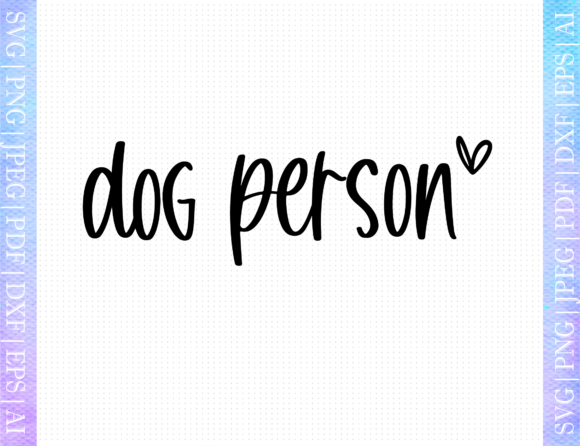
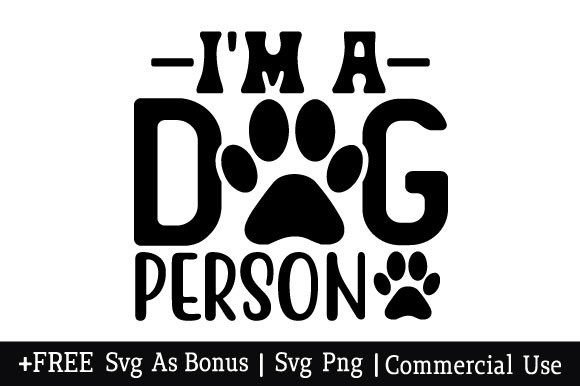
The I m a Dog Person SVG carries a confident, lighthearted, and instantly relatable mood. It doesn’t overcomplicate things—it’s a clear declaration of identity that resonates deeply with a massive audience. Whether you are stitching it for a personalized gift, an Etsy seller order, or your own boutique merchandise, the sentiment is pure gold. The layout is clean and centered, making it a natural fit for chests, totes, and caps. This isn’t a busy graphic; it’s a statement piece that relies on strong typography or a simple shape to carry the message. For a craft business, this means high recognition and strong emotional pull. It’s the kind of design that sells itself at a craft fair or in an online listing.
From SVG to Stitch: Real-World Embroidery Performance
Here is where the technical evaluation begins. The product is listed under Graphics and Crafts, and you receive an SVG, DXF, PNG, and EPS file. These are excellent formats for cutting machines, but for machine embroidery, they require a bit of translation. The SVG is not a native embroidery file, but it is a fantastic source file for two primary workflows:
- Applique Design: The bold, clean lines of the I m a Dog Person SVG make it an ideal candidate for fabric applique. I loaded the SVG into my cutting machine to cut fabric for the base layer, then used a satin stitch border to seal the edges. On a thick sweatshirt or a sturdy tote bag, this creates a beautiful, dimensional look that stands up to heavy use.
- Manual or Auto-Digitizing: The high-resolution PNG (300 dpi with a transparent background) is incredibly useful for auto-digitizing software, but I recommend manual digitizing for professional results. The vector EPS provides mathematically perfect curves, which translates to smoother fill stitch paths and cleaner running stitch details. This is a huge time-saver when preparing a digital embroidery file for commercial embroidery.
If you are a digitizer, the clean geometry of this design means less time cleaning up nodes and more time optimizing stitch density and underlay. It’s a well-prepared asset.
Best Use Cases for This Design
I tested this design concept across several common product categories. Here is where it truly shines:
- Tote Bag Design: The rescue event tote bags came out perfectly. The bold text, stitched in a bright thread color on natural canvas, looked crisp and held up well to stuffing. It’s a simple, high-impact design for a tote.
- Custom Apparel & Sweatshirt Embroidery: This is a natural fit for chest or center-back placement on a sweatshirt. Because it’s text-based, it distorts less than complex graphics on stretchy fleece, provided you use a firm cutaway stabilizer.
- Embroidered Patch: The clean outline makes it incredibly easy to digitize a tight satin stitch border. I created a batch of patches for dog leashes and harnesses, and they looked professional and durable.
- Baby & Gift Items: A friend requested a personalized gift for a new baby. The simple, bold letters of the design were perfect for a tiny onesie, though I had to carefully adjust the stitch density to avoid puckering the delicate fabric.
- Holiday & Commercial Embroidery: This is a year-round seller for any Etsy seller or small shop. It’s especially strong for Christmas gifts, Father’s Day, and Mother’s Day. It’s a design asset that directly converts to finished product sales.
Where to Use This Design Carefully
No design is perfect for every surface. Here are the critical pitfalls I identified:
- Small Hoop Sizes (4x4): Text-heavy designs often struggle in a 4x4 hoop. The letters may become too small, leading to poor stitch definition and thread breaks. I strongly recommend a 5x7 hoop or larger for this design to maintain legibility and professional quality.
- Textured & Stretchy Fabrics: Fleece, thick knits, and ribbed fabrics can swallow the stitching. You must use a strong cutaway stabilizer and a water-soluble topper to prevent the fill stitches from sinking into the fabric texture.
- Dark Fabrics: Thread color contrast is absolutely critical. If the design is a single color, choose a thread that pops—bright white, neon, or a high-contrast metallic. The PNG file is great for visualizing the design against different backgrounds.
- Curved Surfaces (Caps & Baby Onesies): The text will distort if not properly digitized for the curve. A flat SVG converted directly to stitches without curve compensation will look warped or uneven. Make sure your digitizing software accounts for the 3D surface of the garment.
Impact on Product Value, Customer Trust, and Branding
When executed correctly, this design instantly elevates the perceived value of a handmade product. A clean, professional embroidery of the I m a Dog Person SVG signals quality. It tells the customer that the maker took the time to stabilize the fabric properly, choose the right thread, and check the stitch density. For an Etsy seller or small business owner, this translates directly to customer trust. Buyers are more likely to leave a 5-star review when the stitching is crisp and the design is perfectly centered. This isn’t just a file; it’s a tool for building a reputable brand. The recognition factor is high, and it makes a fantastic personalized gift that people will wear proudly.
Practical Embroidery Designer Notes
Before you load the needle, here are my non-negotiable steps for using this design in a real embroidery project:
- Test on Scrap Fabric: Always run a test stitch on a scrap piece of the exact fabric you plan to use. Adjust tension, underlay, and stitch density based on the results.
- Thread Color Check: The PNG file gives you a good visual weight, but don’t trust screen colors. Pull physical thread cards and hold them against the fabric to ensure the contrast works.
- Review Stitch Density: In your digitizing software, check the density of the fill stitches. They should be tight enough to cover the fabric but loose enough to avoid puckering and thread breaks. The clean SVG paths make this step much easier.
- Hoop Size & Orientation: Confirm your hoop size before digitizing. Center the design precisely. Text designs look best when perfectly level, so use a laser guide or a printed template for placement.
- Stabilizer Selection: Use cutaway stabilizer for knits and stretchy fabrics. Use tearaway for stable wovens like canvas tote bags. For a high-quality finished product, never skip the stabilizer.
- Licensing Check: The product is listed under Graphics and Crafts and is marked for use with cutting machines. Since you are converting it to a digital embroidery file to create a finished product, verify the seller’s specific commercial use license. Most SVG files allow for commercial use of the physical finished product, but it is your responsibility to confirm the terms before selling items at a craft fair or in your Etsy shop.
The I m a Dog Person SVG is a versatile, high-appeal design asset. It bridges the gap between digital cutting and machine embroidery beautifully, provided you respect its limitations. It works best as a bold applique or a carefully digitized fill stitch on medium to large surfaces. With proper preparation, it will yield a professional, sellable, and highly loved finished product for any craft business or creative entrepreneur.