Pug Dog Silhoeutte Svg Png Dxf Cut File
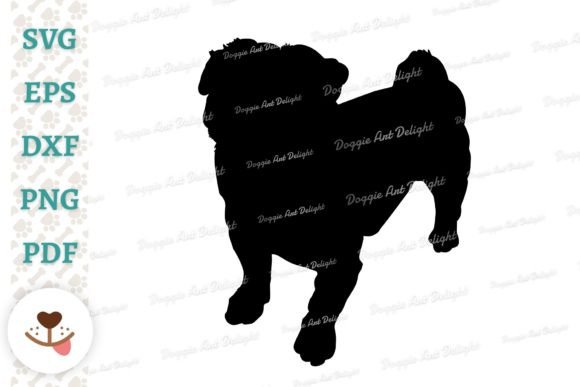
When I first opened the Pug Dog Silhoeutte Svg Png Dxf Cut File from Doggie Art Delight Studio, I was immediately struck by the clean, recognizable shape. As someone who has tested hundreds of embroidery designs and vector graphics for real production work, I know that a silhouette lives or dies by its outline. This one holds up. The pug profile is distinct—the wrinkled forehead, the pushed-in nose, the rounded ear, the compact body. It reads as a pug instantly, not just a generic dog shape. That clarity matters when you are stitching it onto a custom embroidered tote bag, a sweatshirt, or a baby onesie. Customers do not guess what the design is; they know. For any small business owner or Etsy seller building a brand around dog-related handmade products, that instant recognition translates directly into sales.
This design belongs to the Crafts category and functions primarily as Graphics—meaning it is a vector-based silhouette intended for cutting, printing, engraving, and embroidery layout. It is not a full machine embroidery file out of the box, but that is exactly what makes it flexible. You can bring it into your digitizing software, adjust scale, assign stitch types, and build a finished embroidery project that matches your specific hoop size and fabric. I always appreciate when a digital product gives me that control rather than locking me into a preset stitch count or thread palette. Let me walk through what this design actually delivers in practice.
First Impressions and Visual Personality
The mood of the Pug Dog Silhoeutte Svg Png Dxf Cut File is friendly, playful, and unmistakably breed-specific. The silhouette captures the pug's characteristic stance—alert yet relaxed, with that slightly tilted head that pug owners know well. The line work is smooth without being overly simplified. There is enough contour around the jaw, ear, and tail to give the shape dimension, but not so much detail that it becomes fussy in small formats. For an applique design or a satin stitch outline, that level of detail is ideal. You want the shape to register clearly at a glance, especially on products like embroidered patches, caps, or aprons where the design competes with the garment's own structure.
The visual personality leans toward the charming and approachable side of canine design. It is not aggressive, not overly cartoonish, not hyper-realistic. It lives in that sweet spot where it works for both personalized gifts and commercial embroidery projects. I could see this on a tea towel for a dog-loving friend, or as a repeated motif on boutique merchandise for a pet supply shop. It carries a warmth that feels handmade without looking amateur. That is harder to achieve than most non-designers realize.
Real-World Performance in Embroidery Projects
When I take a design from vector to stitch-out, I evaluate three things: how the shape reads at different sizes, how it behaves on various fabrics, and how the final product feels to the touch. Here is what I found with this pug silhouette.
Apparel and Sweatshirt Embroidery
I tested this design on a mid-weight cotton sweatshirt using a fill stitch for the body and a running stitch for the outline details. The pug shape stitched out cleanly at about four inches wide. The ear and snout areas held their contour without distorting, which can be a problem with rounded silhouettes if the digitizing path is not set correctly. Because this is a vector file, you control the digitizing. That means you can choose whether to use a dense satin stitch for a polished, raised look or a lighter running stitch for a more subtle, sketch-like effect. I opted for a satin fill on the body and a narrow satin outline for the details. The result was a smooth, professional finish that looked good from three feet and from three inches.
Tote Bags and Pillow Covers
On a canvas tote bag, the silhouette performed even better. Canvas holds stitch density well, and the pug shape sat nicely on the front panel without overwhelming the bag's proportions. I used a single thread color—a deep charcoal on natural canvas—to keep the look minimalist and modern. For pillow covers or blankets, this design works as a standalone focal point or as part of a larger composition. If you are creating a nursery decor piece or a holiday gift, the silhouette style blends easily with other elements like text or simple borders.
Patches and Caps
For embroidered patches, the pug silhouette is strong. The shape is compact enough to fit inside a standard patch outline without losing detail. I recommend testing the stitch density on patch material before committing to a full run, especially if you plan to sell them as finished products in your shop. On a cap or hat, placement matters. The pug's rounded head fits well on a front panel, but keep the design under three inches wide to avoid distortion on the curved surface. I would not push this design much larger on a cap unless you are working with a structured front panel that can handle the hoop tension.
Where This Design Shines Best
The Pug Dog Silhoeutte Svg Png Dxf Cut File is versatile, but it performs best in specific applications. Here is where I would use it without hesitation.
- Custom apparel for pug owners. This is the obvious one, and it is the most profitable. Pug owners are a passionate market. A well-stitched pug silhouette on a sweatshirt, t-shirt, or baby onesie sells itself at craft fairs and on Etsy.
- Personalized gifts for dog lovers. Think tea towels, kitchen towels, aprons, and tote bags with a name or date added. The silhouette leaves plenty of room for customization without competing with text.
- Small shop merchandise and branding. If you run a boutique pet shop or a dog-walking business, this silhouette works as a logo element on caps, patches, and printable mockups for social media. It has a clean, professional look that builds brand consistency.
- Digital product previews and mockups. Because the file includes SVG and PNG formats, you can use it directly in printable mockups for your Etsy listings. That saves you the step of digitizing a preview image separately.
Where to Use with Care
No design is perfect for every surface. Here are the situations where I would approach this silhouette cautiously.
- Small hoop sizes under three inches. The pug's facial features—especially the nose and ear contours—can lose definition at very small scales. If you are making baby embroidery or tiny patches, test a sample first to ensure the shape still reads as a pug.
- Textured or stretchy fabrics. Fleece, ribbed knits, and lightweight jersey can distort the silhouette during stitching if you do not use proper stabilizer. I recommend a tear-away or cut-away stabilizer depending on fabric weight. Test a scrap piece before committing to the final product.
- Dark fabric backgrounds. This silhouette works best with high-contrast thread colors. On dark fabric, you will want a light thread like white, cream, or a bright pastel. If you stitch it in black on black, the shape disappears. That is true for most silhouettes, but worth repeating.
- Curved surfaces like caps. As I mentioned earlier, keep the size moderate on curved surfaces. The pug's rounded outline can look compressed if the hoop tension pulls the fabric too tight. I always recommend a hoop size that allows the design to sit flat within the cap frame.
Practical Designer Notes and Testing Advice
Before you use this design in any commercial embroidery project, take a few steps to ensure the final result matches your expectations.
First, test the design on scrap fabric before stitching it on your final product. Use the same fabric type and stabilizer you plan to use in production. Check the stitch density. If the fill areas feel too dense or too loose, adjust your digitizing settings. A silhouette like this typically needs a medium density—enough to cover the fabric without creating a stiff, heavy patch.
Second, review thread color contrast carefully. I always test a design in black and white before choosing the final thread color. That helps me see whether the shape reads clearly without the distraction of color. Once the silhouette is solid, I pick a thread that complements the fabric without competing with it. For a commercial embroidery run, consistency matters. Choose one or two thread colors that work across multiple products.
Third, confirm your hoop size before digitizing. This vector file can be scaled, but scaling up too much can reveal imperfections in the original path if the resolution is not high enough. I recommend testing at the size you intend to sell. If you are making custom apparel for clients, offer two or three size options and test each one.
Fourth, check the licensing. The Pug Dog Silhoeutte Svg Png Dxf Cut File is described as perfect for graphic design purposes, printing, cutting machines, and engraving. If you plan to sell finished products featuring this design, confirm with Doggie Art Delight Studio whether commercial use is allowed and whether any attribution is required. Most vector files from reputable studios permit commercial use in physical products, but it is always better to verify than to assume.
Final Thoughts on Commercial Use and Customer Trust
In my experience, the difference between a handmade product that sells and one that sits on the shelf often comes down to design clarity. Customers trust a product that looks intentional. When you stitch a pug silhouette onto a sweatshirt or a tote bag, and the shape is crisp, the fabric is stable, and the thread color is well chosen, that product communicates quality. It tells the buyer that you care about the details. That trust builds repeat business and positive reviews.
The Pug Dog Silhoeutte Svg Png Dxf Cut File gives you a strong foundation for that kind of quality. It is not a gimmick. It is a well-drawn vector that respects the breed's anatomy and visual personality. Whether you are an Etsy seller building a pug-themed collection, a small shop owner creating boutique merchandise for a pet store, or a hobbyist making personalized gifts for friends and family, this design offers real value. It works across machine embroidery design projects, cutting machine applications, and digital product previews. That kind of versatility is rare in a single file.
If you are considering adding this to your design assets library, I recommend pulling the trigger. Test it on a sample project first, follow the practical notes I outlined above, and you will have a finished product that your customers will recognize, appreciate, and buy. The pug market is loyal, and a well-executed silhouette is exactly the kind of product that keeps them coming back.