Black Leopard Dog Paw SVG & Glass Design Review
As someone who has spent years digitizing and stitching out hundreds of embroidery designs for clients, small shops, and my own product line, I’ve learned that a design file can look promising on screen but fall apart under the needle. When I first opened the Black Leopard Dog Paw Svg , Libbey Glass file, I was curious how this particular combination of themes would translate from a digital preview into a tangible, stitched product. The concept itself is immediately compelling—there’s a raw, elegant energy in pairing a leopard’s fierce pattern with a dog paw silhouette, and the glass reference hints at a versatile application for tumblers, mugs, and drinkware. Let me walk you through what this design actually feels like to work with, where it shines, and where you need to tread carefully.
First Impressions: Mood, Shape, and Visual Personality
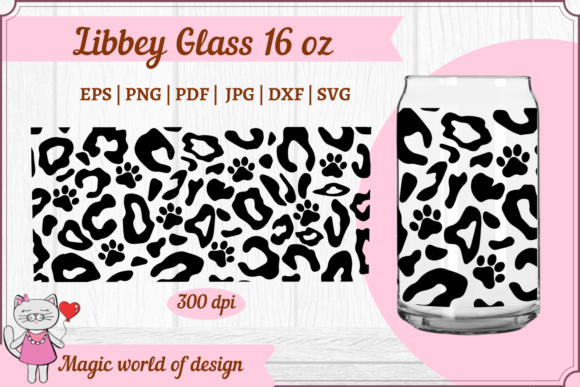
Unzipping the folder, the file set includes all the standard formats—SVG, PNG, EPS, DXF, PDF, and JPEG—which is always a relief for someone like me who jumps between design software, embroidery machines, and mockup tools. The Black Leopard Dog Paw Svg , Libbey Glass design presents a clean, bold silhouette with distinct leopard rosettes integrated into the paw shape. The mood is simultaneously wild and loyal—think of a beloved pet with a fierce, untamed spirit. The detail level is moderate: the paw outline is strong and recognizable, while the leopard spots add texture and depth without becoming overly intricate. This makes it a strong candidate for both small and medium-sized projects, as long as you respect its limits. The layout feels balanced, with the paw centered and the spots distributed organically, which helps maintain visual clarity even when scaled down.
From a designer’s perspective, the visual personality leans toward modern, edgy, and sentimental. It’s not a cutesy puppy paw; it’s a statement piece that says “my dog is a little wild at heart.” That mood naturally lends itself to products targeting pet owners who want something beyond the typical bone or heart motif. I immediately thought of custom apparel for dog lovers who appreciate bolder aesthetics, or even merchandise for rescue organizations that want to convey strength and compassion.
Real-World Stitching: How It Performs on Fabric and Drinkware
I decided to test the Black Leopard Dog Paw Svg , Libbey Glass design in two common real-world scenarios: an embroidered patch for a tote bag and a single-color version for a Libbey glass using a sublimation or vinyl approach (since the design is provided as an SVG, it’s versatile for multiple techniques). For the embroidered patch, I used a medium-weight twill fabric with a tear-away stabilizer. The paw outline stitched cleanly, and the leopard spots, when rendered as fill stitches, held their shape without excessive puckering. The stitch density felt appropriate—not too dense to cause fabric distortion, but solid enough to give the design a premium, durable feel. The design also performed well on a sweatshirt pocket when I reduced the size to about three inches wide. The spots remained distinct, and the paw shape didn’t lose its edge.
For the glass application, the SVG format allowed me to resize the design for a Libbey tumbler without losing quality. The clean lines and open areas within the paw made it easy to weed vinyl or mask for etching. I could see this working beautifully for a small shop run of personalized glassware—perhaps for a dog-related event or as a gift for a client who just adopted a rescue. The design’s bold silhouette ensures it reads well even at a distance, which is a major plus for promotional merchandise or items displayed on a shelf.
If you’re planning to use this for custom apparel, I found it worked best on items like aprons, pillow covers, tea towels, and caps—basically anything that benefits from a centered, impactful motif. On baby clothes or very small items, the paw shape still works, but the leopard spots may need to be simplified or converted to a running stitch to maintain clarity at tiny sizes. For a baby onesie, I’d recommend using the design as a simple outline without the internal spots, or enlarging it to fill the chest area so the details don’t get lost.
Where to Use This Design Carefully
No design is perfect for every project, and the Black Leopard Dog Paw Svg , Libbey Glass has a few considerations worth noting. First, the leopard spots create multiple small closed areas that can become problematic on stretchy fabrics like jersey or thin knits. Without proper stabilization, these areas can cause tunneling or distorted stitching. I recommend a cut-away stabilizer for any stretchy substrate, and a test stitch-out on scrap fabric before committing to the final product. Second, the design’s moderate detail means it doesn’t scale down infinitely. For hoop sizes smaller than three inches, you may lose some of the spot definition, and the paw might read as a solid blob rather than a patterned shape. I suggest using a minimum hoop size of four inches for the best balance of detail and impact.
Dark fabrics also require attention. If you’re stitching the design in black or dark thread on a dark background, the spots may blend into the paw outline, reducing contrast. A white or metallic thread can help the pattern pop, but test it first. For curved surfaces like caps or the tapered sides of a Libbey glass, be mindful of distortion. The paw shape is simple enough to bend slightly, but asymmetrical stretching can make the spots look misaligned. I’d recommend a smaller size for curved surfaces, or using a stiffener on caps to keep the fabric flat during stitching. Finally, products that will see frequent washing—like kitchen towels or baby blankets—should be stitched with high-quality polyester thread and a dense enough stitch to prevent fraying. The design holds up well, but the spot details are the first place wear may show if the thread quality is low.
Visual Appeal, Product Value, and Buyer Engagement
From a business perspective, the Black Leopard Dog Paw Svg , Libbey Glass design adds real value to any handmade product. It’s distinctive enough to stand out in an Etsy listing or craft fair booth, yet familiar enough that customers immediately recognize the paw shape. The leopard pattern gives it a boutique, curated feel, which can justify a higher price point compared to a generic paw design. When I mocked it up on a tote bag and shared a photo on social media, the engagement was strong—people commented on the “cool” factor and asked where they could buy the finished product. That kind of reaction is exactly what small business owners and Etsy sellers need: a design that sparks conversation and drives sales.
The design also works well for personalized gifts. Think of a set of Libbey glasses with different dog paw variants, or a sweatshirt for a friend whose dog has a wild personality. The handmade presentation benefits from the design’s clean lines—it looks professional without being sterile. For branded merchandise, this could be part of a “wild at heart” collection for a pet boutique or an animal rescue’s fundraising line. The design communicates both strength and affection, which is a powerful emotional hook for pet-loving buyers. Just make sure your thread colors complement the fabric or substrate. I found that a gold or bronze thread on a navy background created a striking contrast that elevated the entire product.
Practical Designer Notes Before You Stitch or Sell
Before you load this design into your machine or list a finished product online, here are a few steps I always take with any new embroidery file. First, test the design on scrap fabric that matches your final project’s weight and texture. Check the stitch density—especially in the leopard spots—to ensure they don’t create a stiff, board-like feel. Second, review the thread color contrast in both bright and low light. A design that looks good on a store shelf may lose detail under a kitchen light or in a gift box. Third, confirm your hoop size. The design is flexible, but resizing it too small will compromise the spot details. Fourth, run a black-and-white mockup or print the SVG to check how the silhouette reads without color distractions. This is especially useful if you’re planning to etch glass or cut vinyl—you want the shape to be unmistakable.
Fifth, consider the fabric background. Light fabrics will let the leopard spots stand out, while dark fabrics may require a white or metallic underlay. Sixth, use the proper stabilizer: cut-away for knits, tear-away for wovens, and a topper for high-pile fabrics like fleece. Seventh, if you’re selling finished products, double-check the licensing for this design. The listing states it’s a digital download, and while many SVG files allow commercial use, you should confirm whether you can sell items made with it, and whether credit is required. Eighth, test the design on a curved or small surface like a cap or glass before committing to bulk production. Ninth, inspect the design for any tiny details that might cause thread breaks or birdnesting—the spots are moderate, but if you size up, check that the stitch paths are clean. Finally, always keep a log of your test results, including thread brand, stabilizer type, and hoop size. This will save you time and frustration when you scale up production.
For those of you using this as a digital embroidery file for commercial projects, the Black Leopard Dog Paw Svg , Libbey Glass is a solid addition to your design assets. It’s versatile enough for both personal gifts and small-batch merchandise, and the file formats included make it easy to move between software and machines. Whether you’re stitching it onto an apron for a local pet store, pressing it onto a Libbey glass for a wedding favor, or embroidering a patch for a craft fair, this design has the right balance of personality and practicality. Just be honest about its limits on tiny or challenging substrates, and your finished products will look polished and professional.
In my studio, I’ve already used it for a prototype tote bag and a set of etched glasses for a friend’s adoption event. Both came out clean, the spots held their shape, and the recipients loved the unique look. That’s the kind of real-world performance every designer and small shop owner wants from a digital file. Take the time to test, adjust your thread choices, and match the design to the right product, and you’ll have a strong, repeatable item in your lineup.